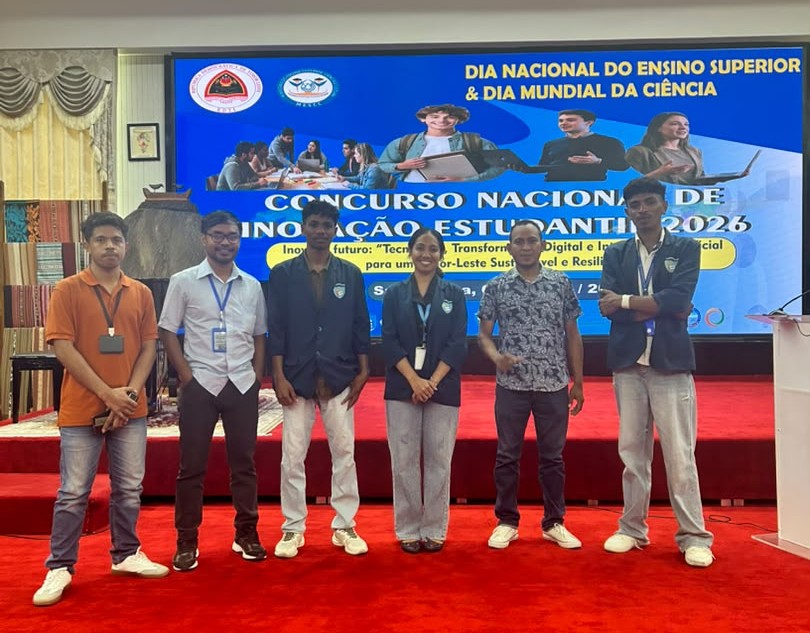
IPDC: 2ND PLACE IN THE NATIONAL STUDENT INNOVATION COMPETITION
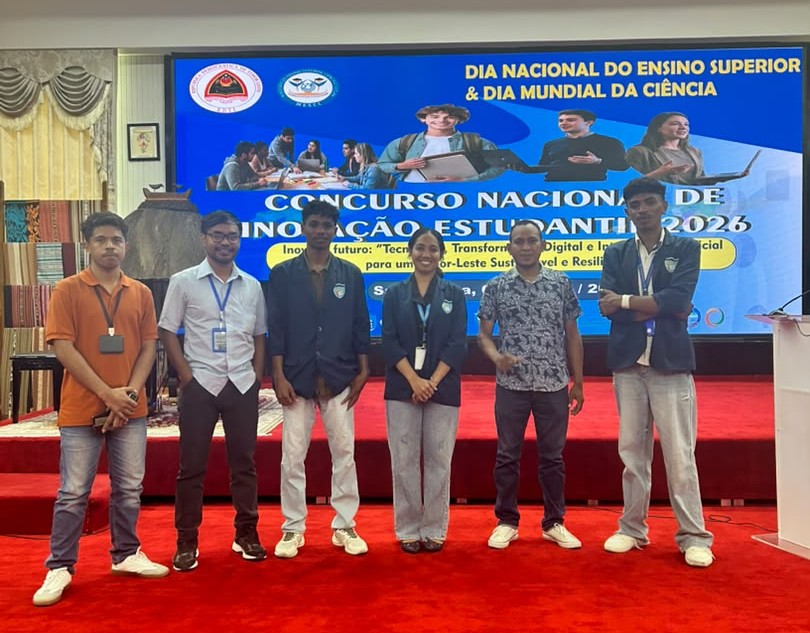
To celebrate National Higher Education Day 2026, the Ministry of Higher Education, Science, and Culture (MESCC) organized the 2026 National Student Innovation Competition across three categories:
- Smart Society and Digital Innovation
- Health, Food, and Well-being
- Agriculture, Environment, and Climate
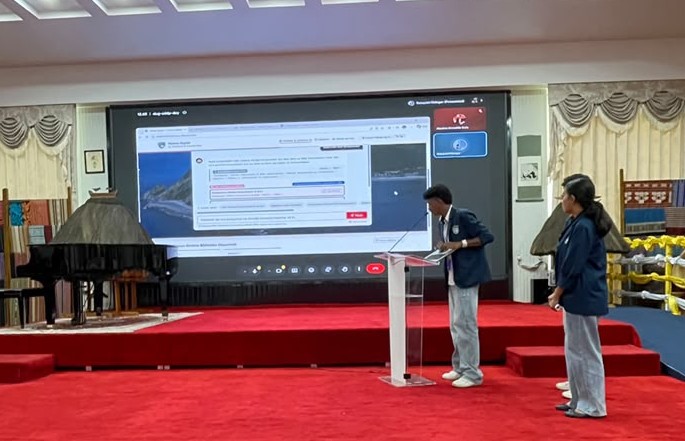
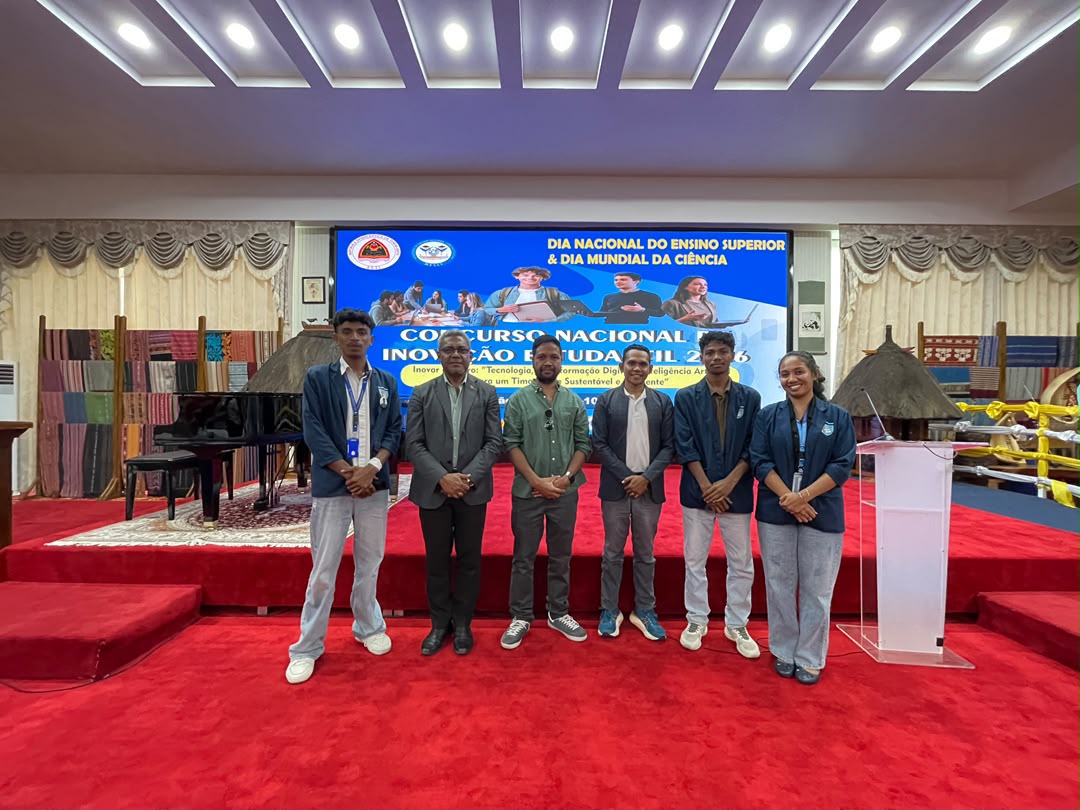
Two teams from IPDC participated (St. Magdalene of Canossa Team in Category 1 and St. Joseph Team in Category 2), with the Category 1 team advancing to the second phase. Following the project presentations, the jury announced the winners: Group UNTL1, St. Magdalene of Canossa Team (IPDC), and Champagnat Team (ICFP).
Congratulations to all the teams, and above all, thanks be to God and St. Magdalene of Canossa for giving the students the opportunity to showcase their skills and intelligence in digital innovation that can respond to Timor-Leste's needs.
Congratulations to the St. Magdalene of Canossa Team: Eldegar (TCI Sem. VIII), Vanessa del Carmen (TCI Sem. IV), and Nofiano Verdial (TCI Sem. IV). Congratulations to the supervising lecturers from the TCI Department, Vice-Rector III Master Jaime Lobo Soares, and the entire team.
Summary – “Hatene Digital”
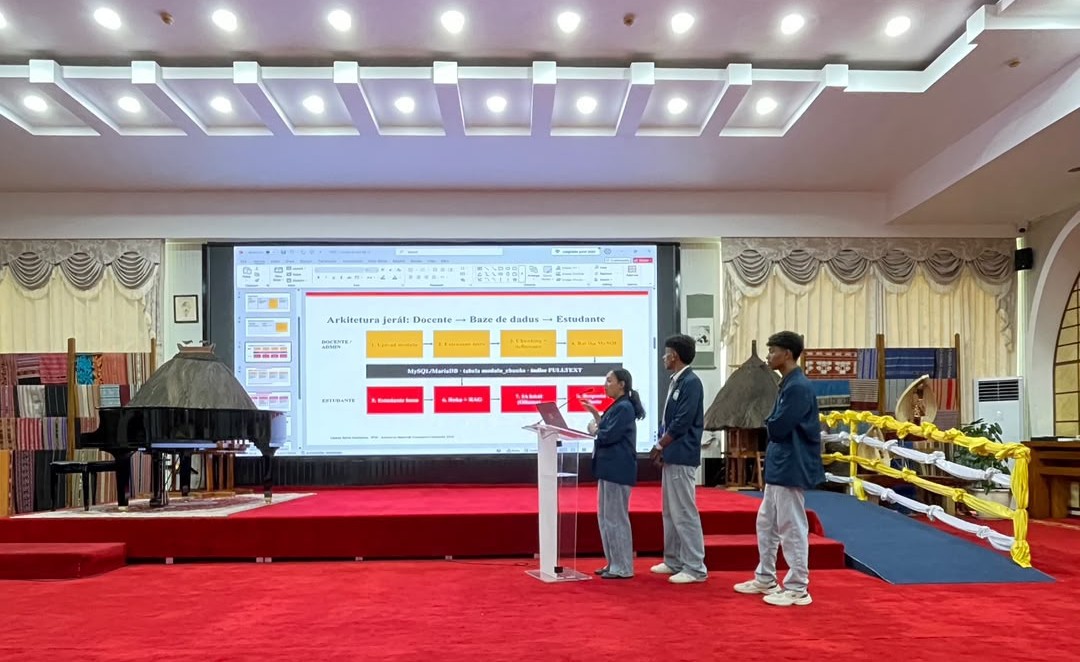
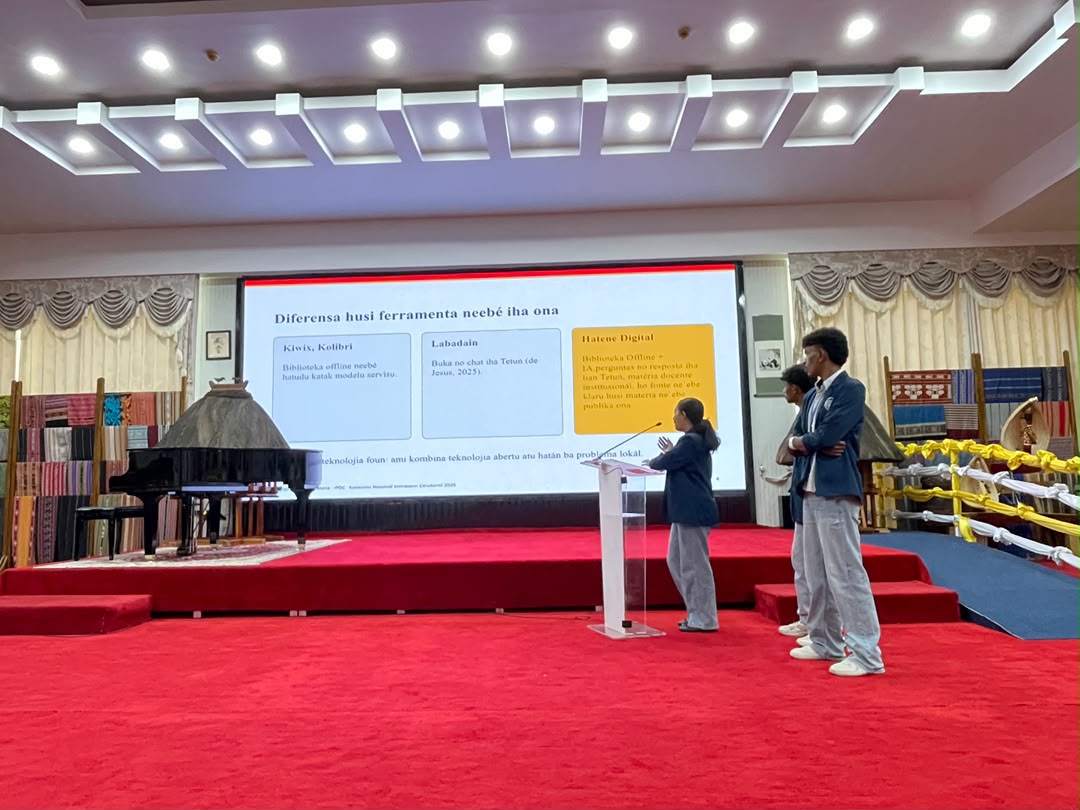
Hatene Digital is an intelligent study assistant and offline subject library developed by the St. Magdalene Team from the Canossa Professional Institute (IPDC) for the 2026 National Student Innovation Competition. The system's objective is to help students access school materials and get answers to their questions in Tetum, without needing the internet.
Main Features:
- Offline: Operates through the school's local network, requiring no internet.
- Tetum: Students can ask questions in Tetum.
- Artificial Intelligence (AI): Uses local AI to explain learning materials.
- Source-based Answers: Answers are based strictly on the lecturers' materials, including module and page citations.
- Digital Library: Lecturers can upload materials in PDF, Word, PowerPoint, and text formats.
Main Benefits:
• Helps students learn independently.
• Reduces internet dependency and mobile data costs.
• Facilitates access to learning materials in Tetum.
• Supports lecturers in sharing knowledge with students.
• Can be further developed and implemented in other schools and educational institutions across Timor-Leste.
Conclusion:
Digital literacy is not just a technological tool, but an educational innovation that combines AI, the Tetum language, and pedagogical materials to promote inclusive, accessible, and sustainable education in Timor-Leste.
Photo Gallery